Industries / HOAs, property managers and rentals
Access control and cameras for Central Florida HOAs and rental properties
HOAs, property managers and rental owners in Central Florida deal with the same headaches: gate codes that everyone knows, pool access nobody can track, and cameras that cannot read a plate. LocalTechify designs access control, license plate cameras and amenity WiFi that boards can understand and managers can run. We write proposals a board can vote on and plan every system for Florida storms and power outages.
Sound familiar?
The problems we hear most from hoas, property managers and rentals in Central Florida.
- The gate code has been the same for years and delivery drivers, ex-tenants and half the neighborhood know it.
- Former residents still have working pool or gym fobs.
- Vendors and landscapers get a permanent code for a one-day job.
- A car damaged the gate and the cameras could not read the plate.
- Clubhouse and pool WiFi is slow, and nobody knows who manages it.
- After a storm, the gate stays open or locked until someone drives out to reset it.
What systems does a community or rental property need?
The right stack depends on the property, but most communities and managers ask for these.
Gate access control
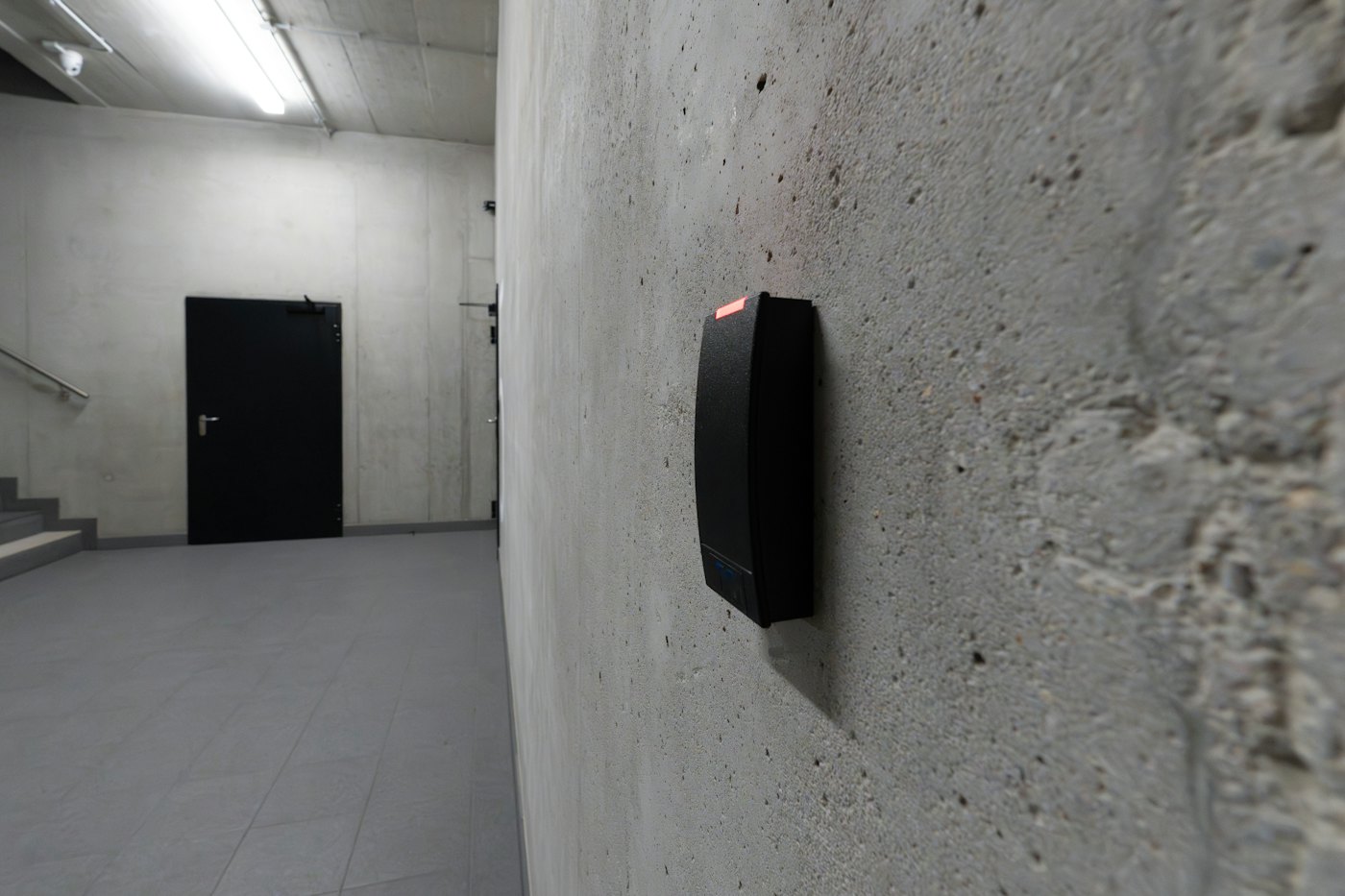
Credential-based entry for residents with UniFi Access, HID, Hikvision or Brivo, managed from a web portal instead of a single shared code.
Amenity access
Card or mobile access on the pool, gym, clubhouse and mail room, with schedules and logs.
License plate cameras
LPR cameras at entry and exit lanes, positioned and angled to capture plates at gate speed, day and night.
Overview cameras
Coverage of gates, amenities, mail areas and common spaces, recorded on an NVR with enough retention for incident reports.
Clubhouse and pool WiFi
Outdoor-rated access points with IP66 or IP67 housings for pool decks and wired indoor access points for the clubhouse.
Rental property systems
Reliable WiFi and exterior cameras for short-term rentals, managed remotely by the owner or manager.
How do license plate cameras at a gate work?
License plate cameras capture a readable image of each plate as vehicles pass through the gate lane. That takes a dedicated camera with the right lens, a narrow field of view, a fast shutter and IR for nighttime, aimed so plates meet the pixels per foot needed for identification.
A general overview camera usually cannot do this job, which is why plates are often unreadable after a gate strike. We design LPR and overview cameras as a pair: one for the plate, one for the whole scene.
Headlight glare, low sun and Florida rain all affect plate capture, so we look at lane width, vehicle speed and approach angle during the site walk. Where the gate lane allows it, a slower approach or a single-lane choke point makes plate images far more reliable.
How do you fix slow clubhouse and pool WiFi?
Slow clubhouse and pool WiFi is usually fixed by replacing consumer routers with wired access points placed where people actually sit. A single router in the clubhouse office rarely reaches the pool deck through block walls and glass.
We run Cat6 to indoor access points and use outdoor-rated units with IP66 or IP67 housings for the pool and patio, powered by PoE from the clubhouse switch. Resident WiFi, the management office, cameras and access control each sit on separate VLANs, so a guest on the pool deck can never reach the gate controller.
Where buildings are far apart, we link them with fiber or a point-to-point wireless bridge instead of relying on each building's own internet. That keeps the whole community on one managed network the manager can see.
What does a typical community project include?
Here is a typical example for a 250-home gated community. It illustrates common scope, not a specific client project.
| Area | What a 250-home community usually needs |
|---|---|
| Main gate | Resident credential readers, a visitor call box or entry option, LPR cameras on entry and exit lanes, and an overview camera |
| Secondary gate | Resident-only readers and LPR on the entry lane |
| Pool and gym | Card or mobile access with hours, plus cameras on entrances and the deck |
| Clubhouse | Door access, indoor WiFi, and cameras at entrances and the office |
| Mail kiosk | Overview camera coverage |
| Network | A small rack with firewall, PoE switches and UPS, with fiber or wireless links between buildings |
Your scope depends on gate hardware, distances between buildings and what the board wants to control.
How do we plan for hurricanes and power outages?
Florida weather is a design requirement, not an afterthought.
Battery backup
UPS units on network gear, recorders and access controllers so short outages do not drop the system.
Fail-safe or fail-secure choices
We review with the board whether each gate or door should open or stay locked when power fails, based on life safety and security needs.
Surge and grounding
Surge protection on outdoor runs and proper grounding for equipment exposed to lightning.
Weather-rated devices
IP66 or IP67 cameras and readers, IK10 housings where vandalism is a risk, and mounts rated for wind.
Post-storm checks
Businesses and associations on a maintenance plan can have systems checked after major storms.
How do cameras work for short-term rentals?
For short-term rentals, we install exterior cameras only, covering entrances, driveways and outdoor areas, never inside the rental. Guests must be able to trust the space, and booking platforms have strict rules about cameras and their disclosure.
We pair exterior cameras with reliable WiFi using wired access points, so guests get strong coverage and the owner can manage the network and check cameras remotely. Smart locks or keypad codes that change between stays can be part of the setup.
Guest devices go on their own network, separate from the owner's cameras, locks and management equipment. The guest WiFi password can be changed between stays without touching anything else, and a UPS keeps the network up through short outages so remote check-ins keep working.
How do we work with boards and management companies?
Site walk with the manager
We walk the gates and amenities with the property manager or a board member and listen to the problems residents report.
Board-friendly proposal
You get a written proposal in plain language, with options, what drives cost and a fixed quote the board can vote on.
Scheduled install
We schedule work to limit gate downtime and coordinate notices to residents with the manager.
Handoff to management
The manager receives credentials, a camera coverage map, a network diagram and training on adding and removing residents.
Services for hoas, property managers and rentals
Network design and cabling
Network design and structured cabling for Central Florida businesses: Cat6, Cat6A and fiber, labeled, tested and documented, plus closet cleanups.
See network design and cablingSecurity camera systems
Commercial camera systems designed with coverage maps and pixel-per-foot targets, installed on a clean, secure network in Central Florida.
See security camera systemsBusiness WiFi and networking
Business WiFi designed from a site survey, built on wired access points, segmented for security and documented at handoff.
See business wifi and networkingAccess control
Door access control with cards, fobs, phones or PIN, installed on UniFi Access, HID, Hikvision or Brivo and tied to your cameras.
See access controlManaged IT support
Flat monthly IT support for small and mid-size businesses: help desk, security, backups, Microsoft 365 and network monitoring.
See managed it supportQuestions from hoas, property managers and rentals
How do we stop former residents from using the gate or pool?
Move from shared codes to individual credentials such as cards, fobs or mobile access. When a resident moves out, the manager turns off their credential in the portal without affecting anyone else. The system also logs every entry.
Can vendors get temporary gate access?
Yes. Vendors can receive credentials or codes that work only on specific days and hours. Access expires automatically, so there is nothing to remember to shut off later.
Can cameras read license plates at our gate?
Yes, with dedicated license plate cameras designed for the gate lane. They need the right lens, angle, shutter speed and IR to capture plates day and night. We pair them with an overview camera for context.
What happens to the gate when the power goes out?
It depends on how the system is designed, which is why we plan battery backup and decide fail-safe or fail-secure behavior with the board. UPS units keep controllers, cameras and network gear running through short outages.
Do you install cameras inside short-term rentals?
No. We install exterior cameras only, covering entrances, driveways and outdoor areas. Cameras inside rentals raise serious privacy concerns and conflict with booking platform rules.
Do you work with HOA management companies?
Yes. We walk the property with the manager, prepare a board-friendly written proposal with a fixed quote, and train the management team to run the system after handoff.
Let's look at your site
Tell us what you need. We'll call you to schedule a free on-site assessment.
- No cost, no obligation
- We walk the site and check what's already there
- You get a clear plan and written quote
Prefer to talk? (689) 999-1144